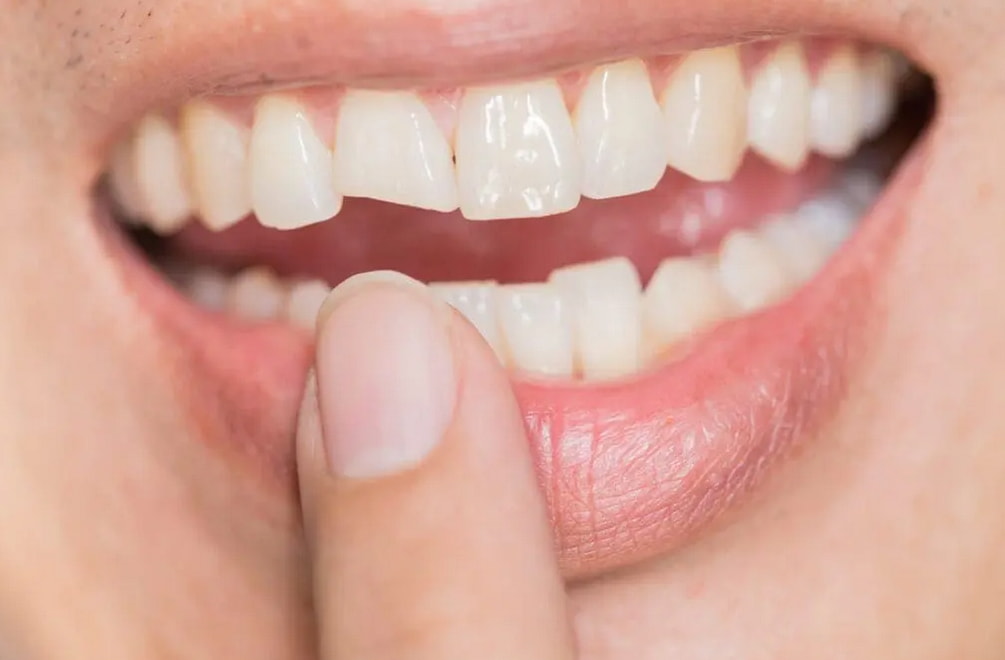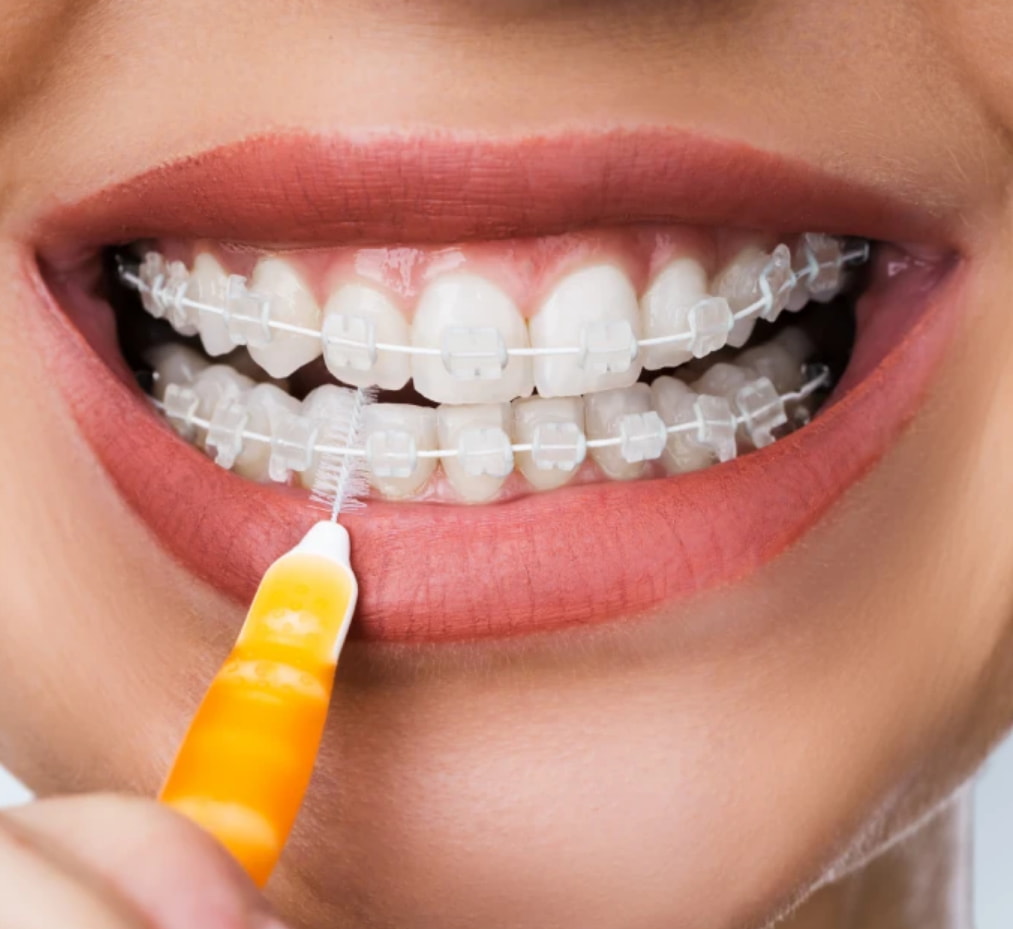
Crooked teeth are common when adult teeth are first sprouting in children. As time goes on and the teeth come in—due to genetics or bad habits—overbites, underbites, and crookedness can cause issues. Self-consciousness is common in imperfect teeth, and braces are the solution, but their price can be a lot for many families or adults that get them later in life.
With technology that is ever-advancing in the dentistry world, braces have continued to stay the same with brackets and wires lining your teeth. Revolutionary methods like Invisalign have made it possible to have straight teeth using clear liners, but what about 3D printed braces? Some people are even willing to do anything for straight teeth—someone even 3D printed their own Invisalign aligners!
3D printed braces make having straight teeth possible with custom fits and shorter durations.! There is nothing more revolutionary than 3D printed braces, but what else is important to know? Keep reading to learn more about 3D printed braces and why they are a great option for many!
Traditional Braces vs. 3D Printed Braces
What’s the difference between the two and who should choose what!
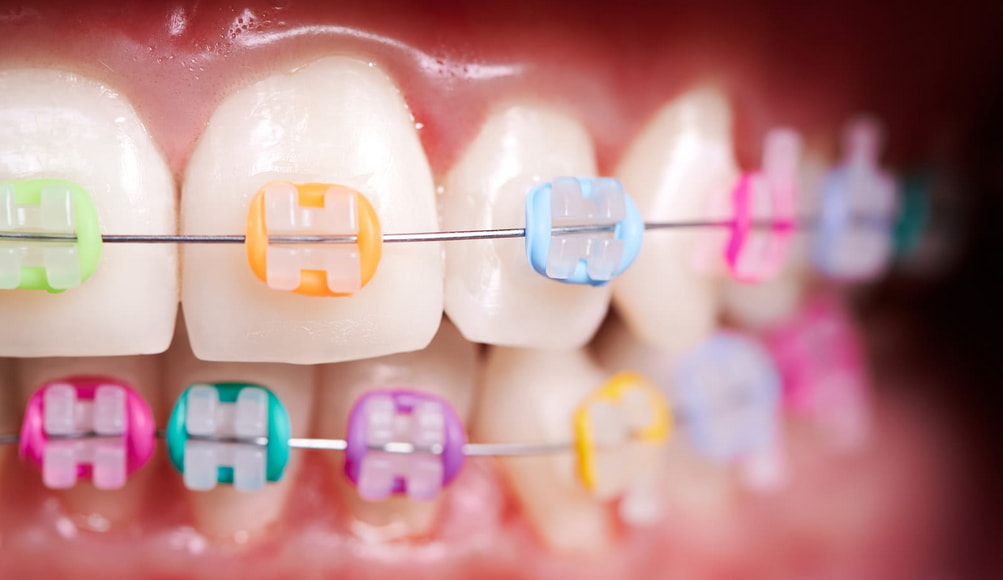
Many people remember growing up having to get braces and the check ups and fine tuning that went along with it. Traditional braces are still a popular and more affordable choice for many parents for their children as well as adults, but 3D printed ones can now be another great option using updated technological advancements.
Traditional Braces: How They Are Manufactured and Applied to the Teeth
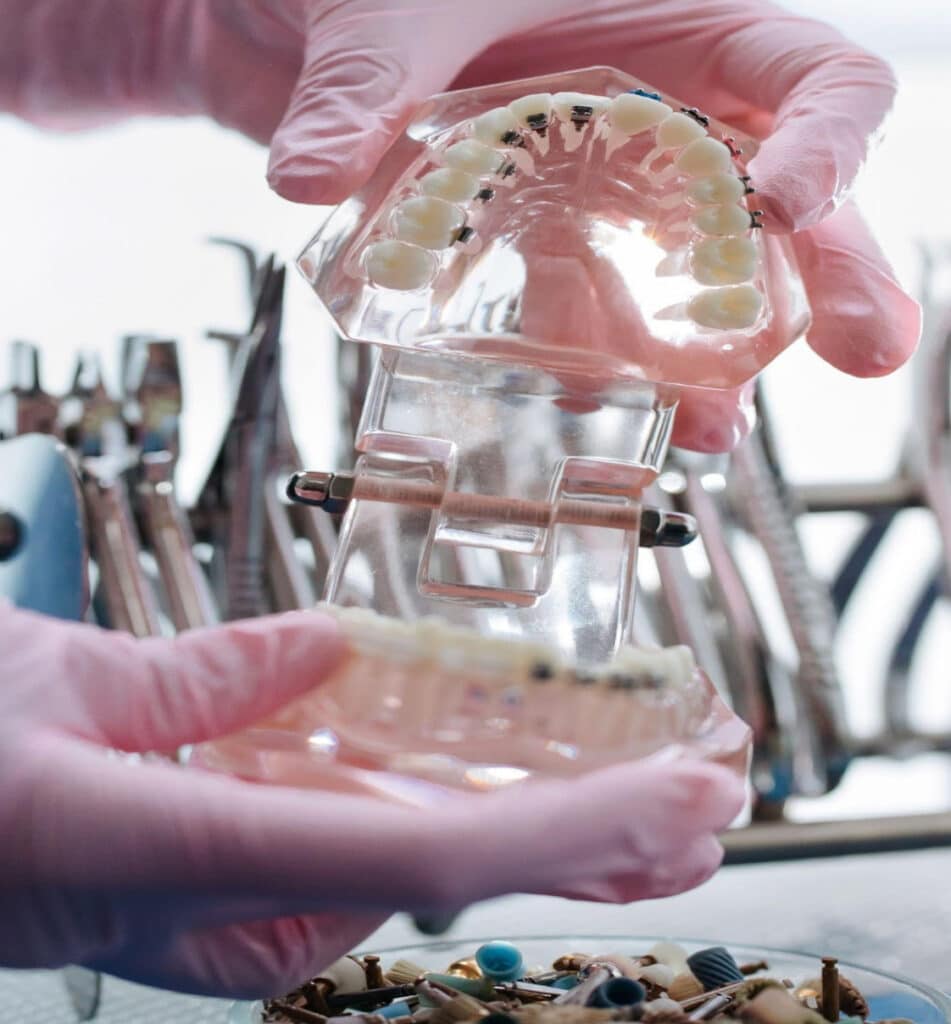
Traditional braces are made up of three main moving parts–the brackets that are bonded to your teeth, the archwires that connect the brackets together, and elastics when they are needed.
These stainless steel parts are made in specialized labs with metal alloy and then shipped to orthodontics and dentist offices where the brackets are then fused to the teeth using a special glue and the wires are interconnected. When fully applied on the teeth, the patients are instructed to come back every four to eight weeks to get them tightened, and elastics are added to move teeth to their desired locations.
3D Printed Braces and Their Personalized Fits
3D printed braces use different methods that are customized to the patient compared to the manufacturing and application of traditional braces. While traditional braces can be added onto anyone’s teeth no matter their shape or condition, 3D printed braces are made after an intraoral scan of the teeth. Then, Computer-Aided Design software–or CAD for short–is used to design custom brackets to be placed onto the teeth along with the production of a placement tray.
Once the design and custom fit is finalized, a 3D printer prints out the braces layer by layer with a biocompatible resin material. It could take several hours for a 3D printer to complete the braces before they are double-checked to ensure that there were no misprints or mistakes during the process. They are then shipped off to the orthodontist or dentist and are applied the same way that traditional braces are.
3D Printed Braces: Do They Work and Why You Might Consider Them
3D printed braces offer a customized fit, are they worth the price and fewer appointments?
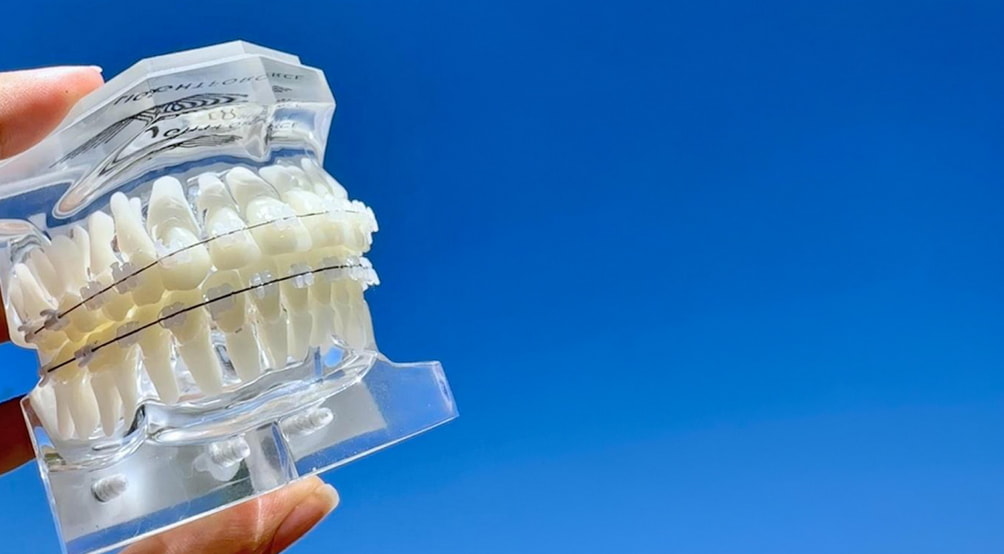
Getting familiar with 3D printed braces is one thing, but knowing how they work and the frequency of appointments for fine tune ups and check ins is another. While traditional braces require more follow-up appointments, 3D printed ones can be a better option for a more relaxed straightening and aligning.
How Effective Are They?
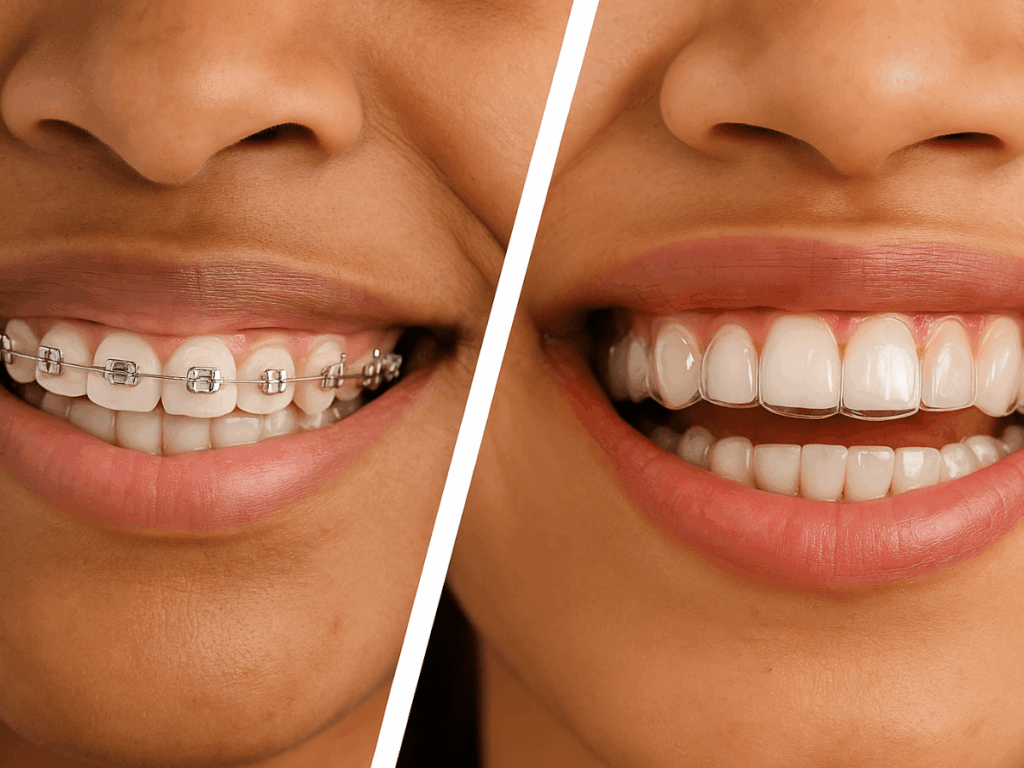
There are many concerns that people can have about looking into 3D printed braces, including how effective they are. It is safe to say that many people are looking into them for either their children or themselves. They can make clear ones–so they are less noticeable for a more confident smile–with less follow-up appointments required.
Since they have a more customized fit using an intraoral scan, they can be just as effective, if not more than traditional braces. 3D printing is highly accurate with a better quality alignment due to pre-measurements making them more comfortable too. 3D printed braces are better for mild or moderate alignments where traditional braces are more suited towards more extreme cases.
An Overview of Follow-Up Appointments
As stated previously, follow-up appointments are common every four to six weeks with traditional braces, which can end up being more expensive due to the need for constant supervision, adjustments, and repairs.
For 3D printed braces, less follow-up appointments are required and someone would come back every six to ten weeks. With the help of the custom fits, they can help prevent unwanted tooth movements and corrections that can prolong the overall process of straightening out your teeth. Overall, opting for 3D printed braces can take anywhere from six months to two years maximum depending on the nature of your teeth beforehand.
How Much Are 3D Printed Braces?
Another factor to consider when choosing between traditional braces or 3D printed ones is the price. While traditional braces are still more affordable–ranging from $3,000 to $7,000– 3D printed ones are on the more expensive side. In the range of $5,000 to $8,500, 3D printed braces are higher in cost due to the upfront costs that come with it, such as the intraoral scan, customization, and the intricacy of your specific case.
Are 3D Printed Braces Worth It? Our Final Recommendation
Why the upfront costs may be worth it for you in the end despite any cons!
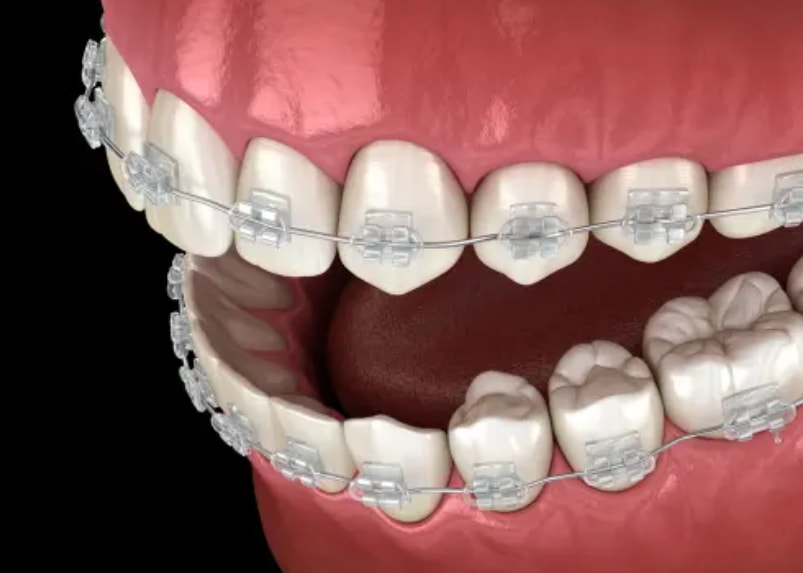
With the basics of 3D printed braces in mind, they could be a great option for either you or your child. The only complaint that people have about them is that they’re more expensive with an upfront cost for the customization and overall fit—but it can also be worth it too!
Pros of 3D Printed Braces
There are many reasons why people are making the switch to 3D printed braces because of the pros that come along with them. Listed are the following pros of choosing 3D printed braces:
- Personalized, custom fits
- Intraoral scan used for accuracy
- Shorter treatment times (six months up to two years)
- Less follow-up appointments (every six to ten weeks)
- Clear aligners for a discreet appearance
- Increased comfort due to material used
- Easier to keep clean
Cons of 3D Printed Braces
The pros can potentially outweigh the cons of 3D printed braces, but it’s important to get familiar with them so you can make the right decision for you or your family. Consider some of the cons of getting 3D printed braces with include:
- More expensive option due to higher upfront costs
- Limited and more expensive material options
- Potential for inaccuracies due to misprinting
- Bulkier brackets
- Potential biological risks of resin (material used)
- Dependency of technology
- Lack of useful clinical data for long-term effects
- Not recommended for more extreme cases
What Do We Recommend?
When it comes to choosing either traditional or 3D printed braces, it’s important to consider the pros and cons of both. Traditional braces may be easier on your wallet, but 3D printed ones can be more personally designed to give you the smile you want and comfort at the same time. Talk to your dentist or orthodontist and get a second opinion to see which option is better for you and your case.
Consider 3D Printed Braces to Help Straighten Your Teeth For a Flawless Smile
While traditional braces are still a tried and true method to straighten any crooked teeth, 3D printed braces can achieve the same exact results in less time! Although there is a higher price to pay for it and the necessary upfront cost, patients will receive a customized fit with results that can be achieved in less than traditional braces. If you’re in the Washington, PA area and are struggling with crooked teeth and are wanting to get braces––consider contacting Elizabeth L. Wakim—exceptional smiles start here!

Dr. Elizabeth Wakim, DDS, is the founder of Enhanced Wellness. She’s a compassionate and highly-regarded dentist with her own practice in Washington, Pennsylvania, known for providing modern, comprehensive dental care, botox and facial aesthetics with a focus on patient comfort and anxiety reduction, serving general, cosmetic, and pediatric dentistry needs.